


The Architectural Heritage Fund (AHF) is thrilled to announce that it has awarded four new grants, totalling £1,074,223, through the Heritage Revival Fund. These grants, which include two Project Development Grants and two Capital Grants, will help communities across England rescue and repurpose neglected historic buildings.
The awards were made at the AHF’s September Grants Panel, where four more projects from across the UK were also offered funding from two other AHF grant programmes, totalling £233,644.
The Heritage Revival Fund is made possible by generous funding from the Department for Digital, Culture, Media and Sport (DCMS), and forms part of the government’s wider investment in arts and culture through the £1.5 billion Arts Everywhere Fund. It is also delivered in partnership with Historic England.
The Fund has been created to support communities across England to take control of and find sustainable new uses for derelict or neglected historic buildings. Focusing on town centres and areas of high deprivation, it will help transform these local heritage assets into vibrant new spaces that meet modern needs.
You can learn more about three of the recent recipients of Heritage Revival Fund grants by reading on below.
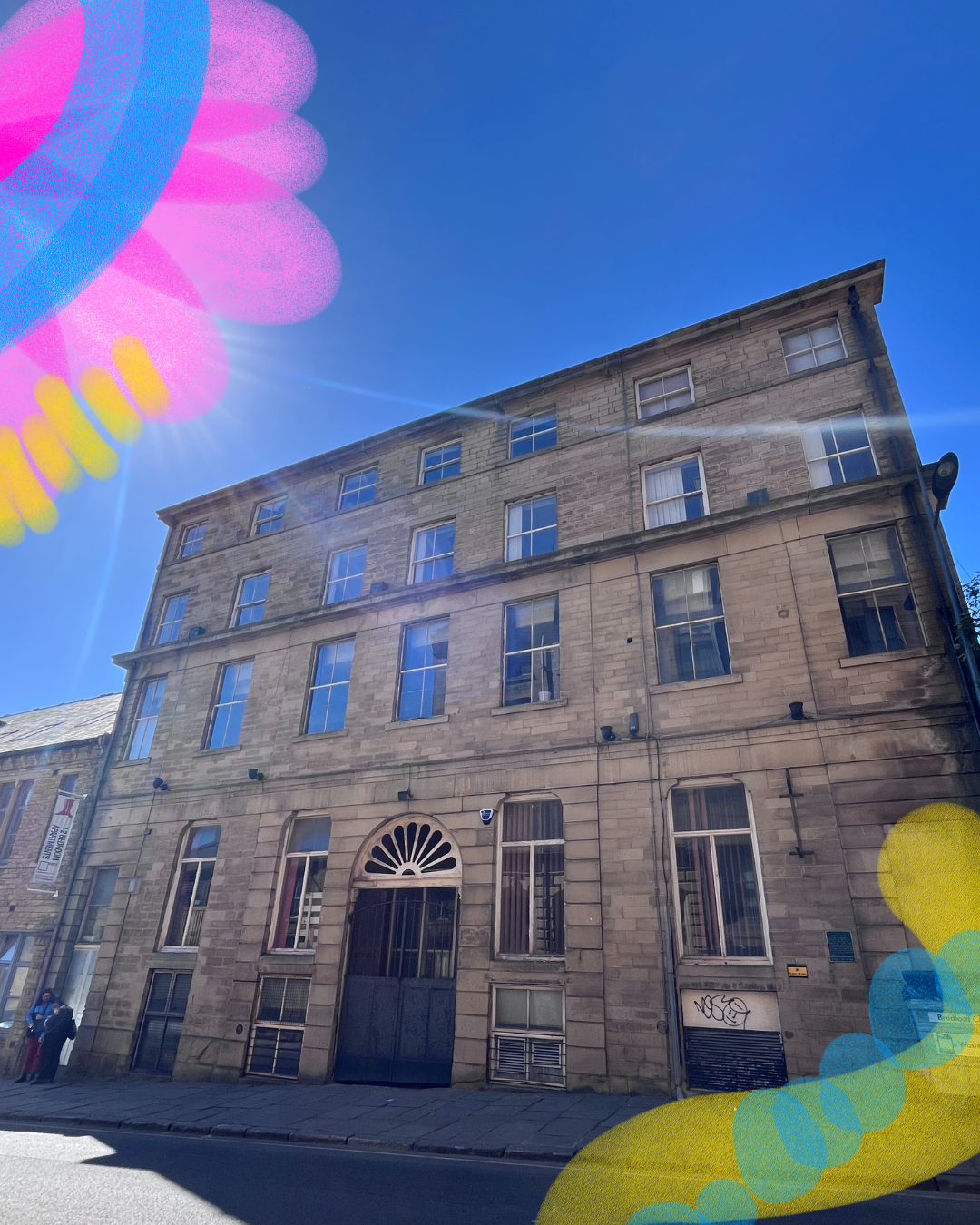
17-21 Chapel Street, Bradford. Credit: People's Property Portfolio.
17-21 Chapel Street, Bradford – People’s Property Portfolio
17-21 Chapel Street was originally constructed in 1832 as a Quaker school. In the late 19th century, as the merchants’ quarter in this part of Bradford expanded rapidly, the building was converted into warehousing to support the export of locally produced textiles to mainland Europe. From 1986 onwards, it was occupied by Bradford Resource Centre, followed by Bradford Food Bank, but was ultimately vacated in summer 2025.
Having acquired the Grade II listed building, which is currently in poor condition, People’s Property Portfolio (PPP) plans to bring it back into active use as a community-owned creative and community hub that will deliver social, cultural and economic benefits for Bradford's diverse communities. The work needed includes repairs to the building’s historic fabric, refurbishment of the interior to create flexible and adaptable spaces, and accessibility and environmental sustainability improvements. Once the project is complete, the revitalised building will provide secure, affordable and accessible workspace for cultural and community organisations and artists, alongside public exhibition space and a flexible events space.
The DCMS-funded AHF Project Development Grant is critical to funding the vital next stage of the project and unlocking further investment, contributing to professional fees and architectural work.
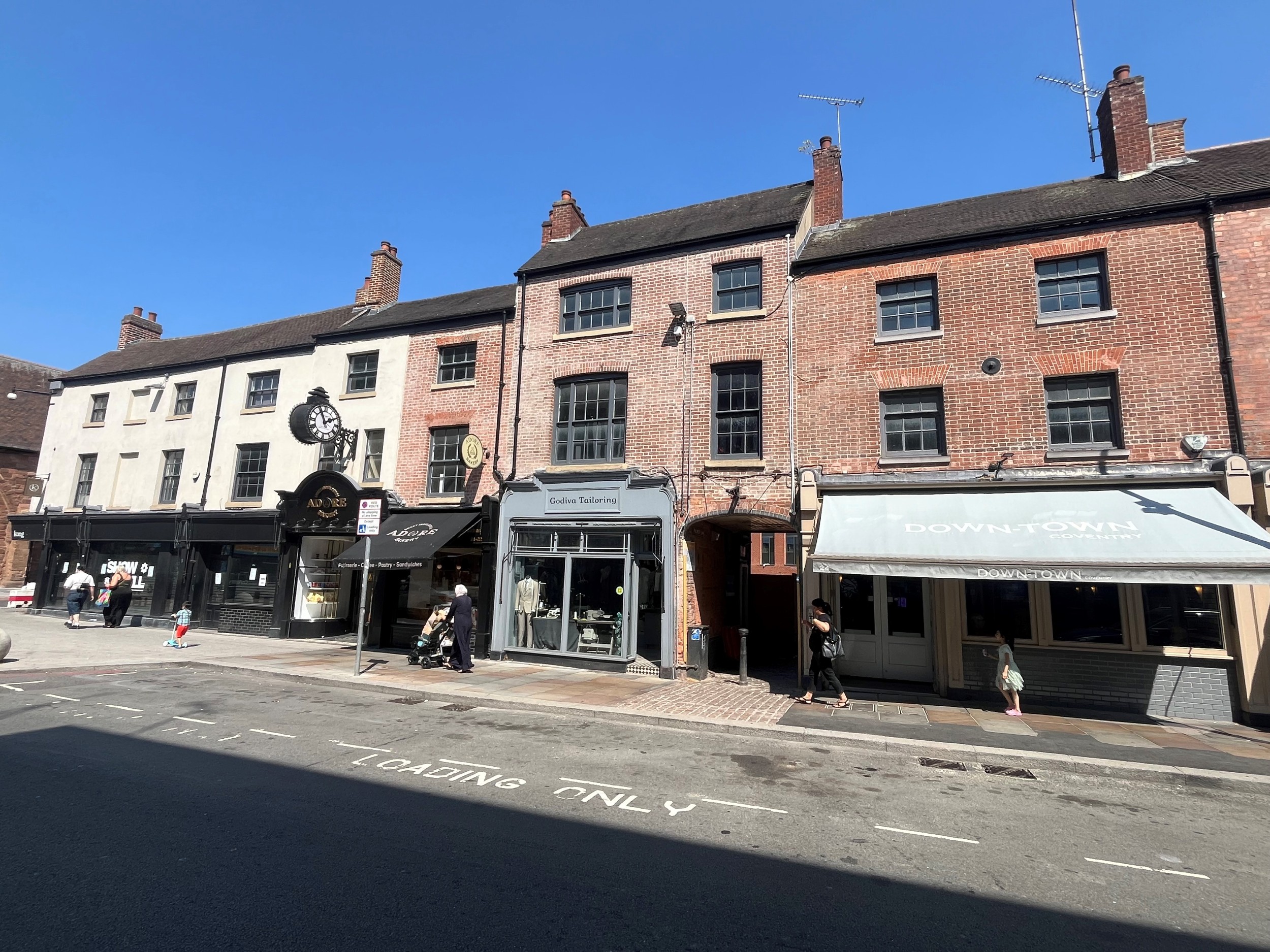
The Burges, Coventry.
The Burges, Coventry – Historic Coventry Trust
The Burges is one of the few remaining traditional historic high streets in Coventry. It is documented as early as the 13th century, with historic maps showing the buildings laid out in medieval “burgage plots”. Throughout its history, the street has seen many changes - shop fronts on the eastern side were rebuilt in brick, while the western side was later demolished to allow for road improvements. Several of the buildings were also damaged during the Second World War.
Numbers 18-20 and 21-24 (known locally as Palmer House) make up the northern half of the surviving section of buildings on the street. Although re-fronted and changed over time, the interiors and rear elevations have medieval origins. The ground floor at 18-20 and the first and second floors of all buildings are currently vacant and in poor condition.
Previous investment in The Burges through Historic England’s High Streets Heritage Action Zone has supported the transformation of 14 buildings and 16 shop fronts in this area. To build on this work and help create an active arts community, Historic Coventry Trust will now repair and restore the remaining vacant levels to create artists space, visitor accommodation and retail units.
The DCMS-funded AHF Capital Works Grant will contribute towards architect fees, associated surveys, and project management support, alongside building repairs, strip out and some fit out costs.
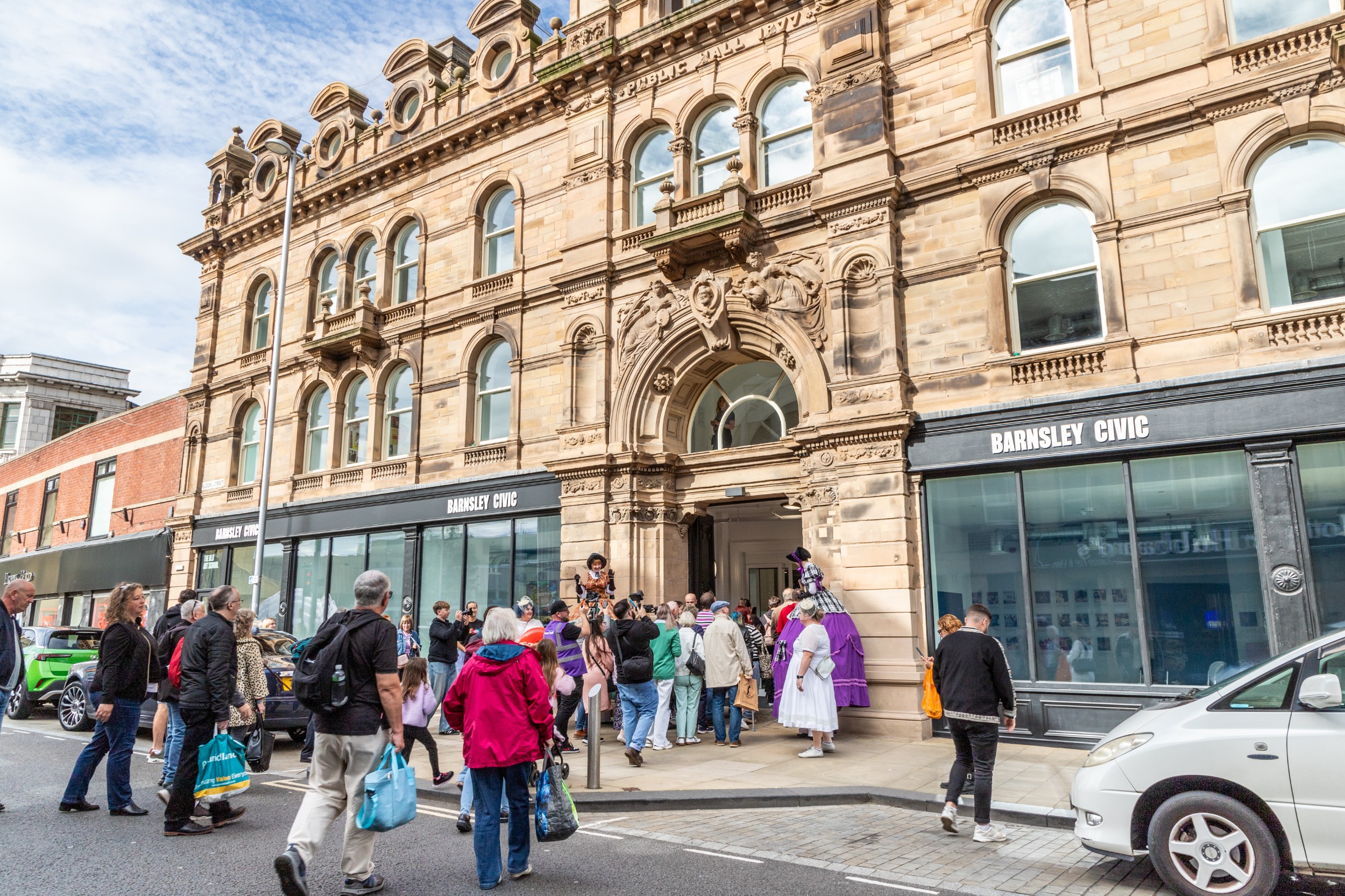
Barnsley Civic. Credit: James Mulkeen.
Barnsley Civic – Barnsley Civic Enterprise Limited
Barnsley Civic is a five-storey building that has been at the heart of the town’s cultural life since it was first established in 1877. Having served throughout its history as a concert hall, theatre, library, and an art school, it is now in partial use as an arts centre, but with significant sections left vacant and inaccessible.
This project, delivered in phases by Barnsley Civic Enterprise, aims to bring the entirety of Barnsley Civic back into use and create a nationally recognised multi-purpose arts and community venue for the town. Initial work to restore the foyer and reopen the historic entrance, fully reconnecting the arts venue with the high street, is complete. The next phase involves the creation of a new bar and café in the reopened frontage, the restoration of the original, ornate double staircase and tiled floor, environmental improvements, and the creation of a flexible music and events venue. Phase 2 will bring the remaining 40% of the building into use through the conversion of three empty floors for cultural activity, alongside artist and community space.
The DCMS-funded AHF Project Development Grant will contribute towards the completion of architectural design for Phase 1 and professional fees for a design team to progress plans for Phase 2 of the project.
More Details About the Heritage Revival Fund
The Heritage Revival Fund, delivered in partnership with DCMS and Historic England, helps communities across England take control of and find sustainable new uses for derelict or neglected historic buildings in their local areas, particularly in areas of high deprivation. The Fund focuses on regenerating historic buildings in town centre locations for a range of uses - arts, culture, workspace and affordable housing, to name just a few. Grants are available to support projects from the earliest stages through to capital works.
Crucially, thanks to substantial new investment from DCMS, the AHF has been able to expand the programme to offer the following grants year-round at increased amounts:
More information can be found on the Fund page of the AHF’s website. Please use the Funding Finder to learn which Heritage Revival Fund grant your project may be eligible for.