


Culmore Community Partnership has successfully completed the conversion of Culmore Fort for community use following a major funding boost of £265,000.
This follows over three years of planning, community engagement and work on site to see the project delivered. It will now accommodate much-needed mental health support for youth in the area, in addition to hosting meetings for a variety of sports, heritage and cultural organisations.
Communities Minister Gordon Lyons welcomed the work, stating: “This project will provide a vital community resource for Culmore and surrounding areas. We are seeing more and more communities applying to Village Catalyst and I am pleased that my Department is able to support projects where at-risk heritage properties are being revitalised and restored for the benefit of the local community.
“We have seen a range of properties conserved and modernised through Village Catalyst, delivering greater economic sustainability and positive social outcomes for local people and businesses. I very much look forward to visiting the finished project.”
DAERA Minister Andrew Muir added: “Culmore Fort was identified for support through the Village Catalyst Programme, part-funded through my Department’s Tackling Rural Poverty and Social Isolation (TRSPI) Programme. The Programme tackles rural poverty and social isolation by refurbishing neglected community-owned historic buildings for locally identified uses which provide access to services and address core community needs. The provision of a multi-functional community facility in the Culmore area is a significant development and I’m delighted that this project will help support the local rural community for many years to come.”
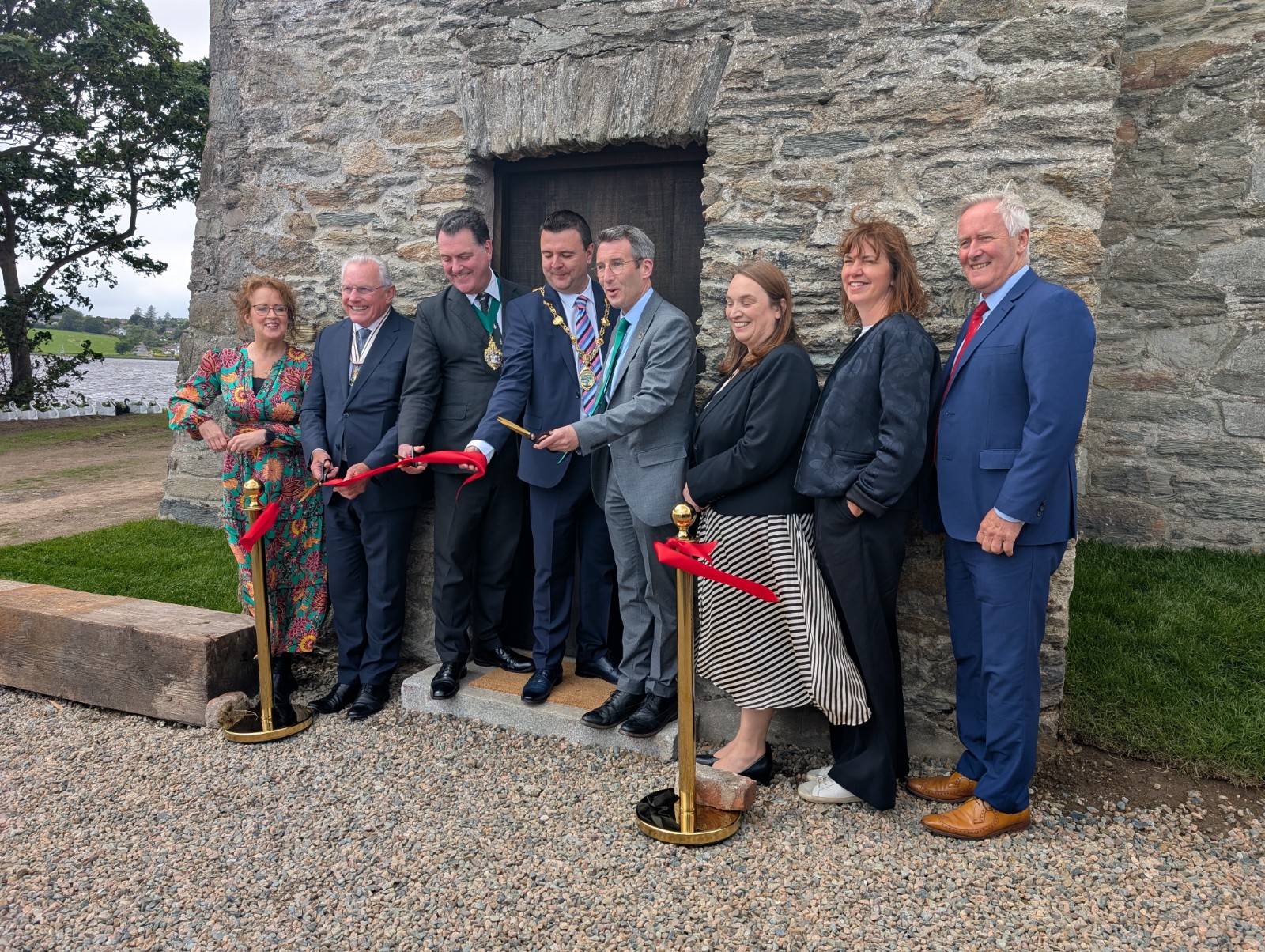
Image: Ribbon-cutting ceremony at Culmore Fort.
Neil Doherty MBE, Chair of Culmore Community Partnership (CCP), said: “We are deeply grateful to our generous funders whose support has made our ambitious vision for Culmore Fort a reality. This project has been made possible through the Village Catalyst grant scheme — a collaborative initiative between the Department for Communities (DfC), the Architectural Heritage Fund (AHF), the Department for Agriculture, Environment and Rural Affairs (DAERA), and the Northern Ireland Housing Executive (NIHE).
“Additional support has also come from The Honourable The Irish Society, the Garfield Weston Foundation, and the Pilgrim Trust. Their combined investment has enabled us to develop much-needed community space in Culmore, a vital asset for local residents.
“Historically, the Fort at Culmore was held by the Crown until 1840, when it and its surrounding lands were sold to The Honourable The Irish Society, who remain its owners to this day. For the past 50 years, the Fort has been leased by Lough Foyle Yacht Club. We are pleased to share that Culmore Community Partnership (CCP) has now assumed the lease to facilitate the restoration of this historic building and to open it up for wider community use.
“We extend our sincere thanks to Lough Foyle Yacht Club for their cooperation and support throughout the development phase. We look forward to continuing this positive partnership as we move into the next stage of the project.”
Una Cooper, Strategic Manager for Culmore Community Partnership, stated: “Now that the conservation of the Fort is complete, we look ahead with excitement and purpose. This historic space is no longer just a reminder of the past — it is now a cornerstone for the future of Culmore. We’re preparing to launch vital mental health and emotional wellbeing programmes for children and young people, offering them a safe and supportive environment to thrive. The Fort will also become a place for cultural and heritage events that celebrate our community’s identity.
“The work at the Fort was carried out by dedicated professionals whose craftsmanship and care brought this conservation project to life. We would like to extend our thanks to We Build Ireland for their tireless commitment, precision, and ability to bring out the best in every stone, beam, and brick. Their work has preserved the soul of this Fort for generations to come.
“Our Architect Mark Hackett’s vision and sensitivity to the Fort's historic character ensured that every decision respected the past while making room for the future. His attention to detail has been nothing short of extraordinary. Culmore Fort has been transformed into a vibrant community space— a place where history meets hope!”
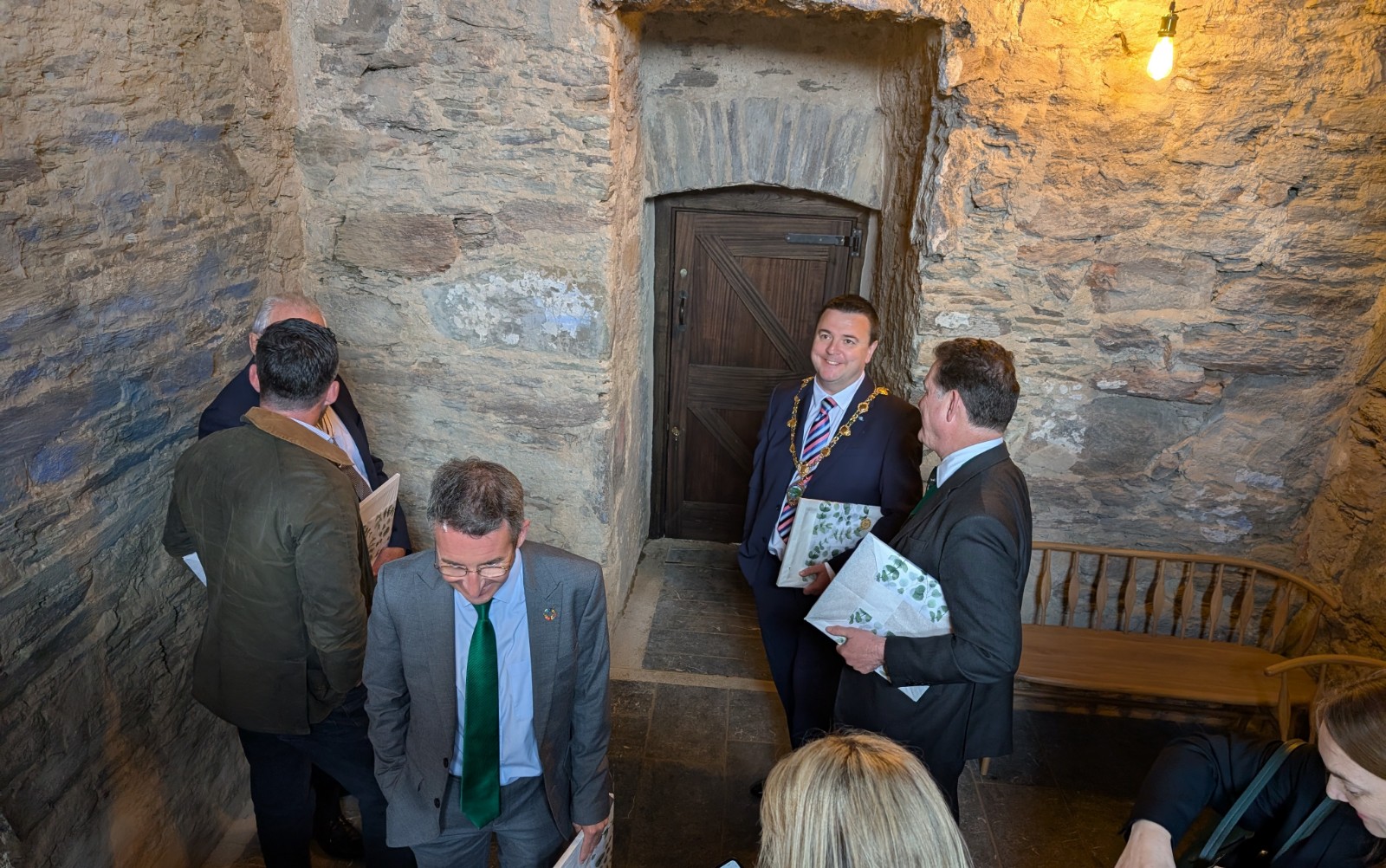
Image: Inside Culmore Fort during the launch event.
Duane Farrell, Secretary & Chief Executive of The Honourable The Irish Society, added: “The Honourable The Irish Society is delighted to see the Fort being restored and, as importantly, being brought back into community use in a way that meets community needs. Culmore Fort is an iconic building with a long history and we look forward to seeing the building being used by the community in a way that it hasn’t been for many years. Thanks to the hard work of Culmore Community Partnership, together with the local community, this historic building will continue to have an important role to play in the local area for years to come.”
Matthew McKeague, Chief Executive of the Architectural Heritage Fund, added: “Culmore Fort is a fabulous example of the potential of a Village Catalyst scheme: regenerating a redundant historic asset to serve the needs of the local community. In this case, young people living in and around Culmore will have the opportunity to access a range of activities and services, in a beautifully restored and unique part of the village's history. We have been delighted to help Culmore Community Partnership test and develop their ideas and help bring this inspirational project to fruition.”
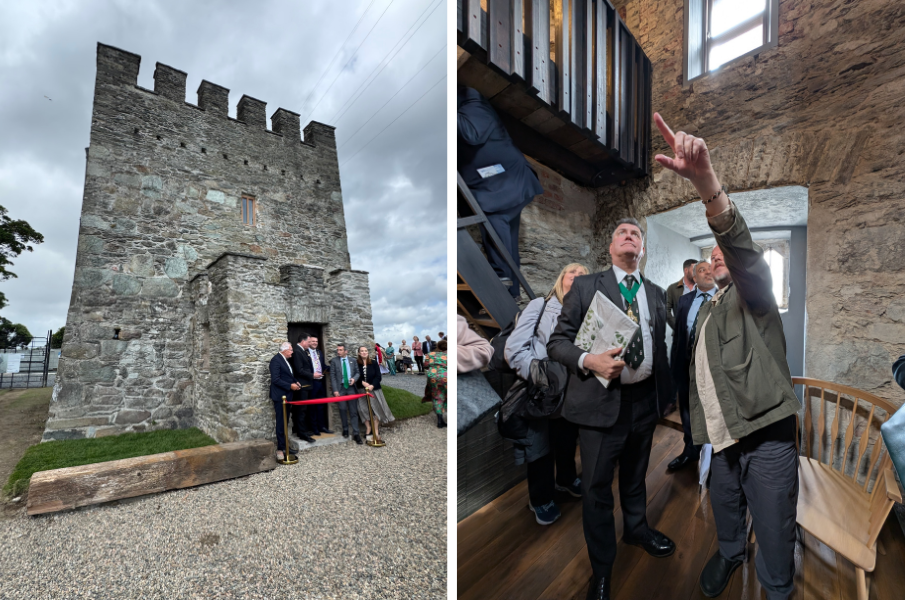
More images of the exterior and interior of Culmore Fort.
Notes to Editors