Project of the week
London, England
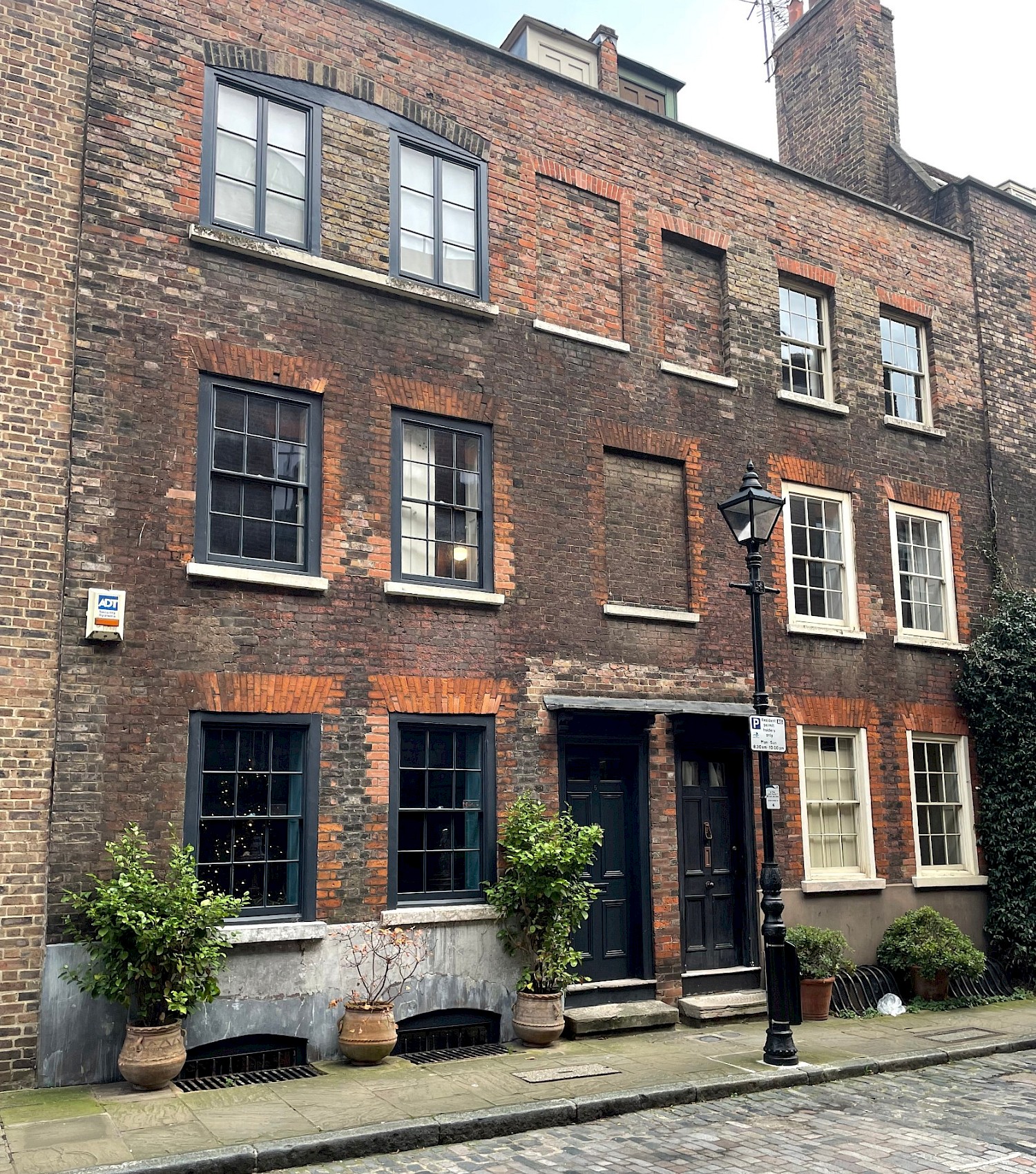
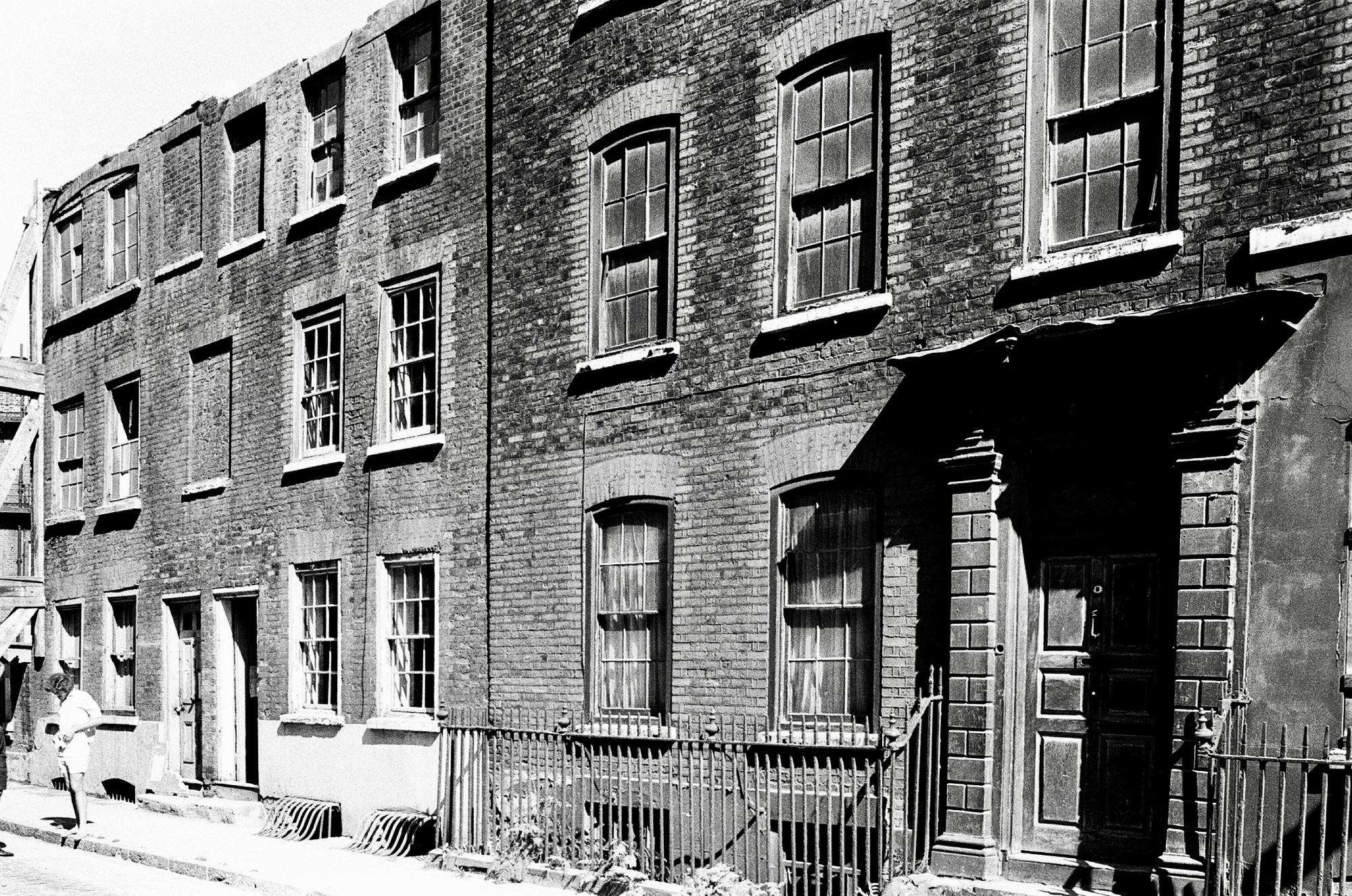
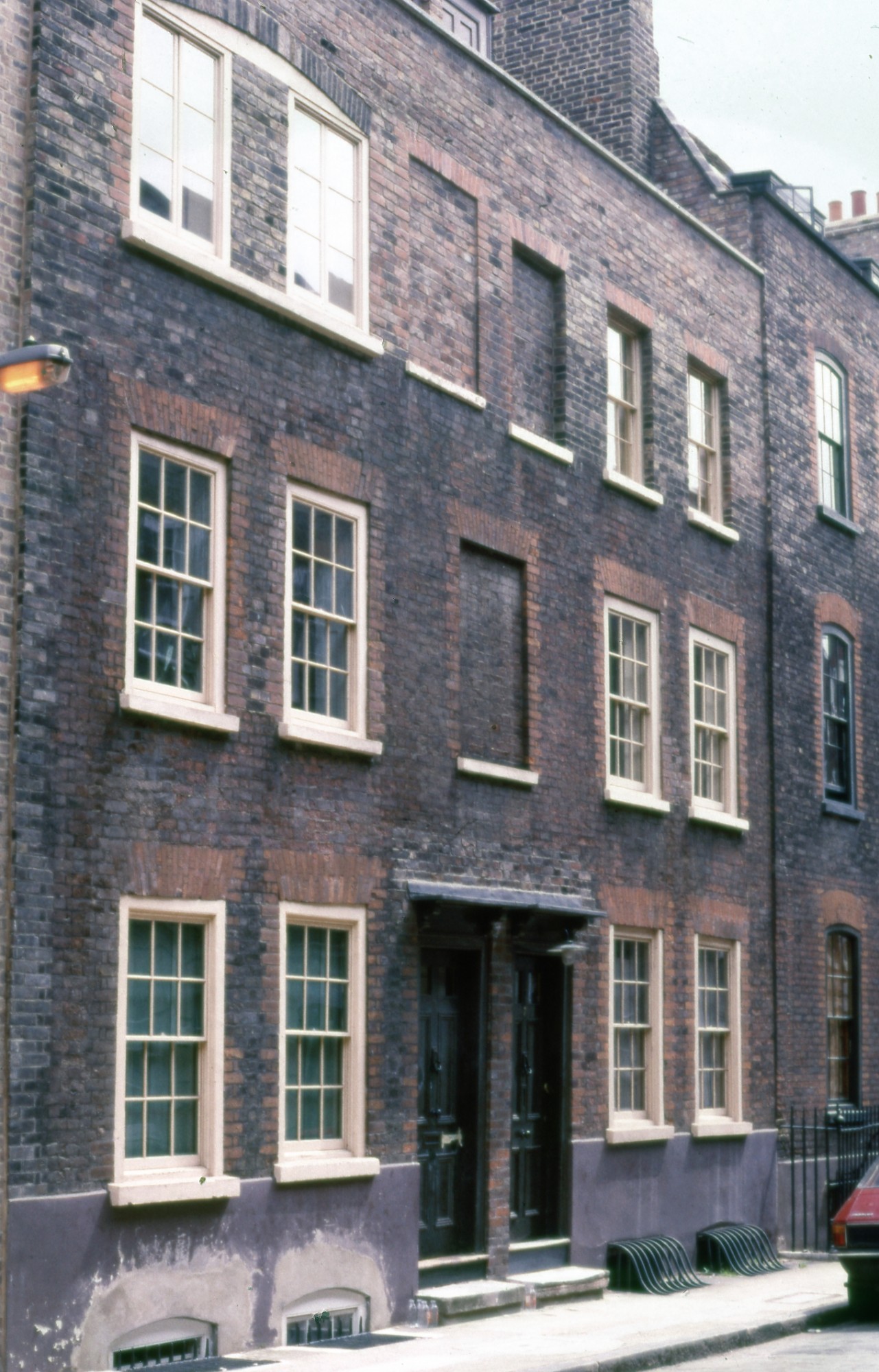
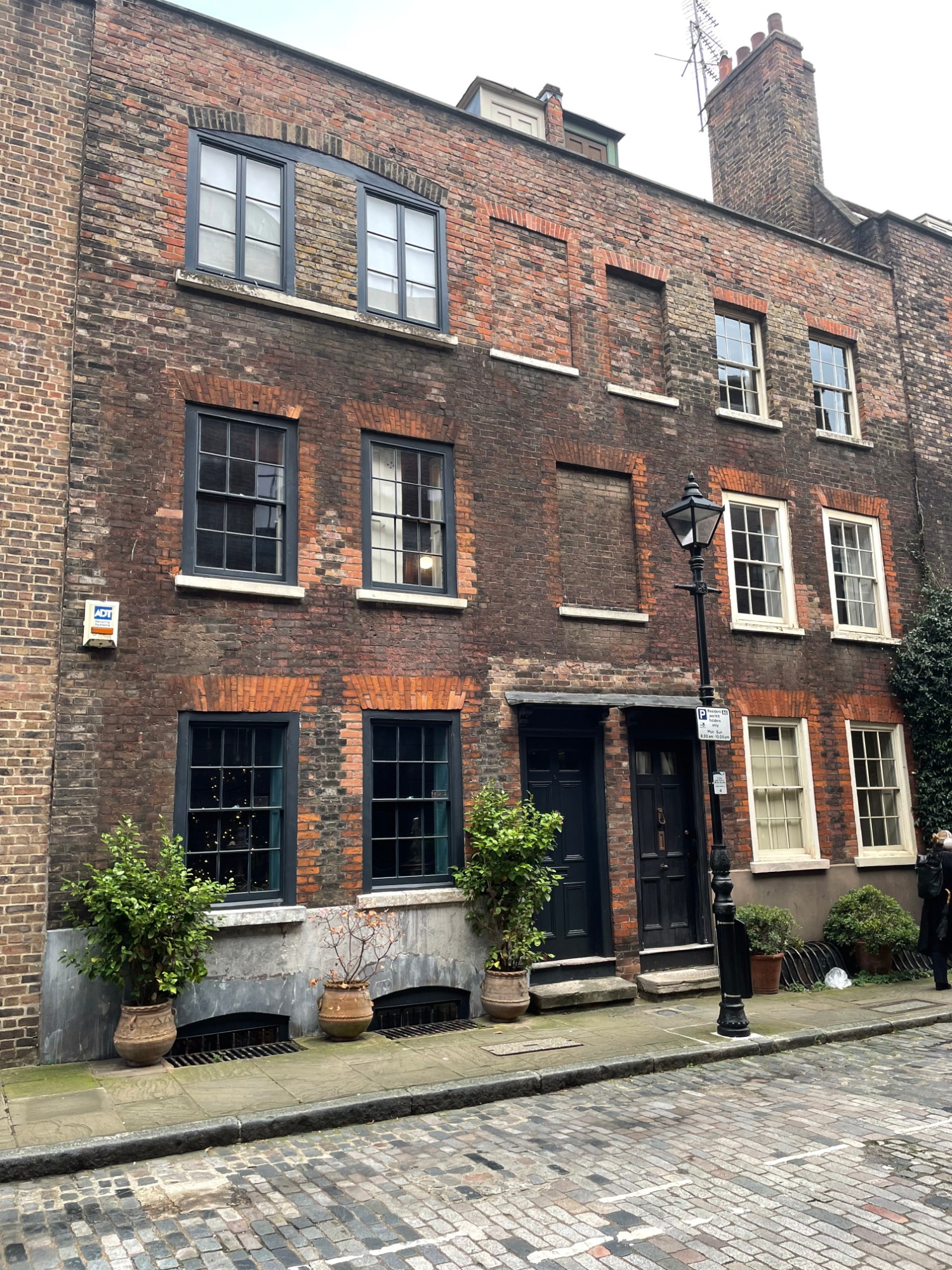
An early 18th-century terrace in the Spitalfields area was built for Huguenot families fleeing religious persecution in France. The refugees were mostly silk weavers, and these houses had upper storeys with large windows that maximised the daylight hours for weaving. The houses were later homes for Jewish and Bangladeshi immigrants but, by the 1970s, they had fallen into dereliction and were threatened with demolition.
That same decade, however, a group of historic building experts and their supporters began a campaign to save historic Spitalfields, and Numbers 5 and 7 Elder Street were among their first projects. They brokered a delicate partnership with the local authority, took possession of the houses, and tested an innovative funding model that would become the standard approach to conserving historic buildings across the country: borrowing funds to repair the houses, selling them to sympathetic new owners – with historic detail protected by covenants - and paying off the loan with sale proceeds.
Numbers 5 and 7 Elder Street were later listed as Grade II in recognition of their role attesting the rich history of immigration in this corner of London. Today, they continue in secure ownership as family homes.
“This project, supported by the AHF in 1977 – just a year after we were founded – was highly significant for its part in the first wave of Britain’s conservation movement. The rescue and repair of the houses on historic Elder Street not only secured a long-lasting future for these buildings as comfortable family homes, but also pioneered the use of the ‘revolving fund’ method – a funding model that has since been used by the Spitalfields Trust and many other organisations to save hundreds more buildings across the UK.”
Kelcey Wilson-Lee, Director of Programmes and Deputy CEO at the Architectural Heritage Fund
18th century
Historic use
Housing
New use
Housing
Organisation
The Spitalfields Trust
1977
Total AHF investment
£40,000
Investment type
Loan